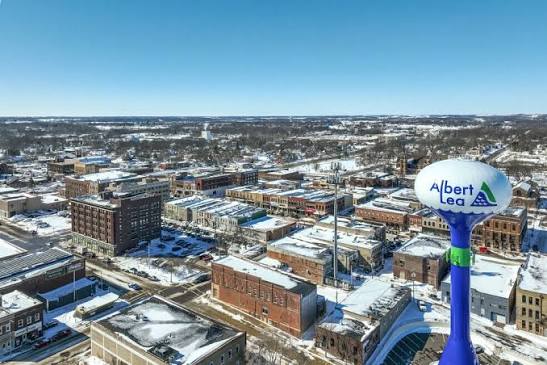
Rural County-Seat CapacityTodd County, Minnesota
County seat: Long Prairie
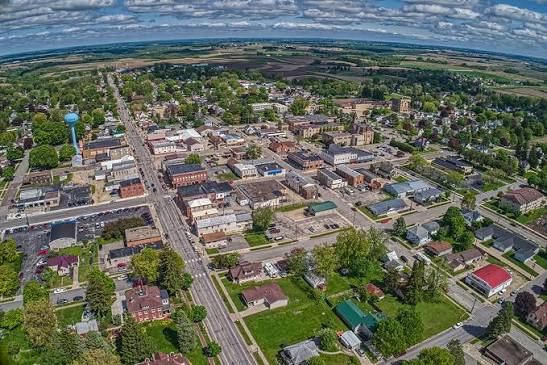
Todd County illustrates a rural county-seat child care challenge where local stability, small-town identity, dispersed providers, and community-based coordination all matter. Long Prairie serves as a civic and service anchor for surrounding communities.
Key signals
- Rural county-seat market
- Dispersed provider landscape
- Small-town and lakes-region identity
- Local civic and service partners
- Need for practical community-based coordination
At a glance
- Children ages 0–6
- 1,925
- Total licensed capacity
- 564
- Potential 0–5 gap
- ≈ 1,040
Allen County, Kansas
County seat: Iola
Allen County illustrates a smaller rural Main Street child care challenge where local identity, civic infrastructure, education, health care, manufacturing, agriculture, and community leadership can all shape the path forward. Iola serves as the civic, education, health, and small-business hub.
Key signals
- Rural Main Street county
- Strong local identity
- County-seat civic infrastructure
- Local employers and service anchors
- Practical opportunity for countywide coordination
At a glance
- Children ages 0–6
- 932
- Total licensed capacity
- 568
- Potential 0–5 gap
- ≈ 209
Onslow County, North Carolina
County seat: Jacksonville
Onslow County illustrates a larger workforce and family-demand child care challenge shaped by military presence, coastal growth, service-sector employment, and Jacksonville's role as a civic and employment anchor.
Key signals
- Large coastal county
- Military-connected economy
- Strong family demand
- Rapid growth and workforce activity
- Major child care infrastructure pressure
At a glance
- Children ages 0–6
- 19,260
- Total licensed capacity
- 4,444
- Potential 0–5 gap
- ≈ 11,606